


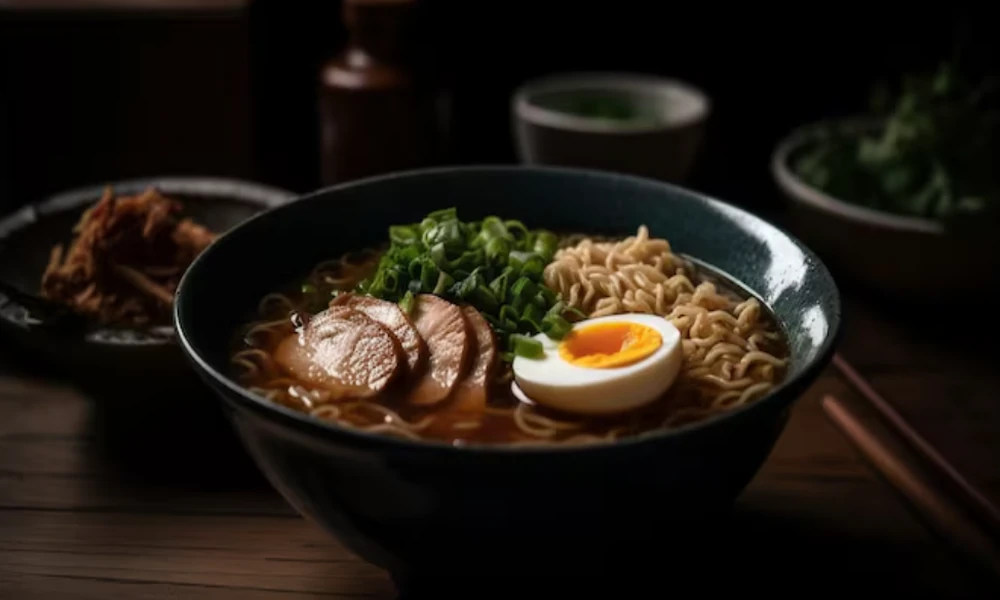
A ramen menu can leave you with a few questions. Is shio always light? Does miso mean spicy? And what makes tonkotsu so creamy?
Knowing a little about these styles makes choosing a bowl easier. But there is one useful distinction to understand first: shoyu, shio, and miso describe the main seasoning, while tonkotsu describes a pork-bone broth.
That means the categories can overlap. A bowl can be both tonkotsu and shoyu, combining pork-bone stock with soy sauce seasoning.
This guide explains the differences, what to expect from each style, and how noodles and toppings help bring the bowl together.
What Makes Ramen Authentic?
There is no single recipe that defines all authentic ramen. The dish has Chinese roots and has developed into many regional styles across Japan. Restaurants also put their own stamp on it.
A clear, delicate bowl can be just as rooted in tradition as a rich, cloudy one. Thickness, a long cooking time, or a large pile of toppings does not prove authenticity on its own.
It is more useful to understand how the components work together:
- Broth: The stock that forms the soup’s base.
- Tare: A concentrated seasoning that gives the soup much of its saltiness and flavor.
- Aromatic oil or fat: Adds fragrance and changes how the soup feels.
- Noodles: Bring texture and carry soup with each bite.
- Toppings: Add contrasting flavors, textures, and richness.
The appeal comes from the whole bowl, not just one ingredient.
Shoyu Ramen: Soy Sauce Flavor With Plenty of Variety
Shoyu means soy sauce. In this style, a soy sauce-based tare seasons the broth.
Many familiar versions have a clear, brown soup with a savory aroma. The stock may use chicken, pork, seafood, or a combination, so two shoyu bowls can taste quite different.
Some feel light and straightforward. Others are rich and full-bodied, especially when paired with a heavier stock or added fat.
If you enjoy the savory depth of soy sauce, shoyu is a useful starting point. Check the broth description rather than assuming every version will be light.
Shio Ramen: Salt-Based Seasoning That Lets the Stock Shine
Shio means salt. Shio ramen uses a salt-based tare, often with other ingredients that add savory depth.
Many versions have a pale, clear broth. Chicken and seafood flavors can be especially noticeable in these bowls, along with the aroma of the finishing oil.
Still, shio does not automatically mean mild, low-sodium, or low-fat. It describes the seasoning, not a nutritional category or a guarantee of lightness.
If you want a delicate bowl, look for a clear-broth version and ask how rich it is. The word “shio” alone does not tell the whole story.
Miso Ramen: Fermented Depth and a Hearty Feel
Miso ramen uses a tare made with fermented soybean paste. Depending on the miso and other ingredients, the flavor may be earthy, nutty, savory, or slightly sweet.
It is closely associated with Sapporo in Hokkaido, though restaurants serve many variations.
Miso can give the soup more body, but it does not make every bowl equally thick. The stock and added fats also affect richness.
Common accompaniments include stir-fried vegetables, ground pork, corn, and, in some versions, butter.
Miso is not automatically spicy. If you want heat, look for a spicy miso option or ask about the available seasonings.
Tonkotsu Ramen: Pork-Bone Broth With a Rich Texture
Tonkotsu means pork bones. Unlike the other three names, it identifies the broth base rather than the main seasoning.
The familiar milky style is made by cooking pork bones vigorously, dispersing fat and other material into the broth. Gelatin also contributes to its body. Its creamy appearance usually comes from this process rather than dairy cream.
Tonkotsu is strongly associated with Kyushu, including Hakata-style ramen, which commonly features thin noodles.
The richness varies by recipe. Some bowls are dense and intense, while others have a lighter texture. Garlic, spice, and smoky flavors depend on the preparation and toppings rather than being defining features.
A Quick Comparison of Ramen Styles
| Style | What the name describes | Common flavor or texture | What to remember |
| Shoyu | Soy sauce-based seasoning | Savory, often with a clear brown soup | Can also season a rich or cloudy broth |
| Shio | Salt-based seasoning | Often pale and delicate | Does not automatically mean low-sodium or light |
| Miso | Miso-based seasoning | Fermented depth, often hearty | Not necessarily spicy |
| Tonkotsu | Pork-bone broth | Often cloudy, rich, and creamy in texture | Can be combined with shoyu, shio, or other seasonings |
These are useful menu terms, but they do not cover every kind of ramen. Regional and restaurant variations leave plenty to explore.
Why Do the Noodles Matter?
Broth gets much of the attention, but noodles shape the experience just as much.
Thin, straight noodles give a different bite from thick, wavy ones. Their shape, firmness, and thickness affect how they carry the soup and feel as you eat.
Hakata-style tonkotsu is known for thin noodles, while many Sapporo-style miso bowls use thicker, wavy noodles. These are familiar pairings, not rules every restaurant must follow.
When comparing bowls, notice the noodles as well as the broth. You may find that texture is a big part of what you enjoy.
What Do Popular Ramen Toppings Add?
Toppings can change a bowl’s flavor and texture without changing its basic style.
| Topping | What it adds |
| Chashu | Tender, seasoned pork, often braised or roasted |
| Ajitama | A seasoned egg, often with a soft or jammy yolk |
| Nori | Dried seaweed with a savory, ocean-like aroma |
| Menma | Seasoned bamboo shoots with a firm, slightly crunchy bite |
| Green onions | Freshness and a sharper contrast to rich soup |
| Mushrooms | Earthy flavor and extra texture |
| Corn | Sweetness and a contrasting bite |
| Garlic oil | A stronger aroma and savory depth |
| Chili oil | Heat and fragrance, depending on the blend |
Garlic oil is not necessarily spicy, and not every bowl needs extra toppings.
Taste the soup before adding more oil or seasoning. That gives you a chance to understand the original balance and decide what, if anything, you want to change.
How Can You Choose Your First Bowl?
Think about the flavors and textures you already enjoy.
For a clearer soup, ask about lighter shoyu or shio options. For fermented, savory depth, consider miso. If you want a creamy pork-bone broth, explore tonkotsu.
Then check the details. The stock, oil, spice level, and toppings can change the experience as much as the style name.
If you avoid meat or seafood, ask about the complete soup base and tare. A bowl topped with vegetables may still contain animal-based stock or seasonings.
Find the Ramen Style You Enjoy Most
You do not need to choose the richest bowl to have a worthwhile ramen experience. A delicate soup can offer just as much flavor and care.
Start with a style that sounds appealing, taste it before adding condiments, and notice the noodles and toppings along the way.
Once you understand the difference between broth and seasoning, the menu becomes easier to read. The rest is the enjoyable part: trying different bowls and discovering what you like.
This post was written by a professional at Fortu. Fortu stands out among the top Restaurants St Petersburg FL, offering an elevated Pan-Asian dining experience in the heart of St. Petersburg, Florida. Celebrating Asia’s vibrant and diverse culture, Fortu introduces bright and bold flavors to a bright and bold city with a menu of locally and sustainably sourced options, from small bites to hearty delicacies. Whether winding down from a beach day or celebrating a special occasion, guests can enjoy a lush, alluring atmosphere and an authentic taste of Asia’s divine cuisine at one of the finest Steakhouse St Petersburg FL.
