


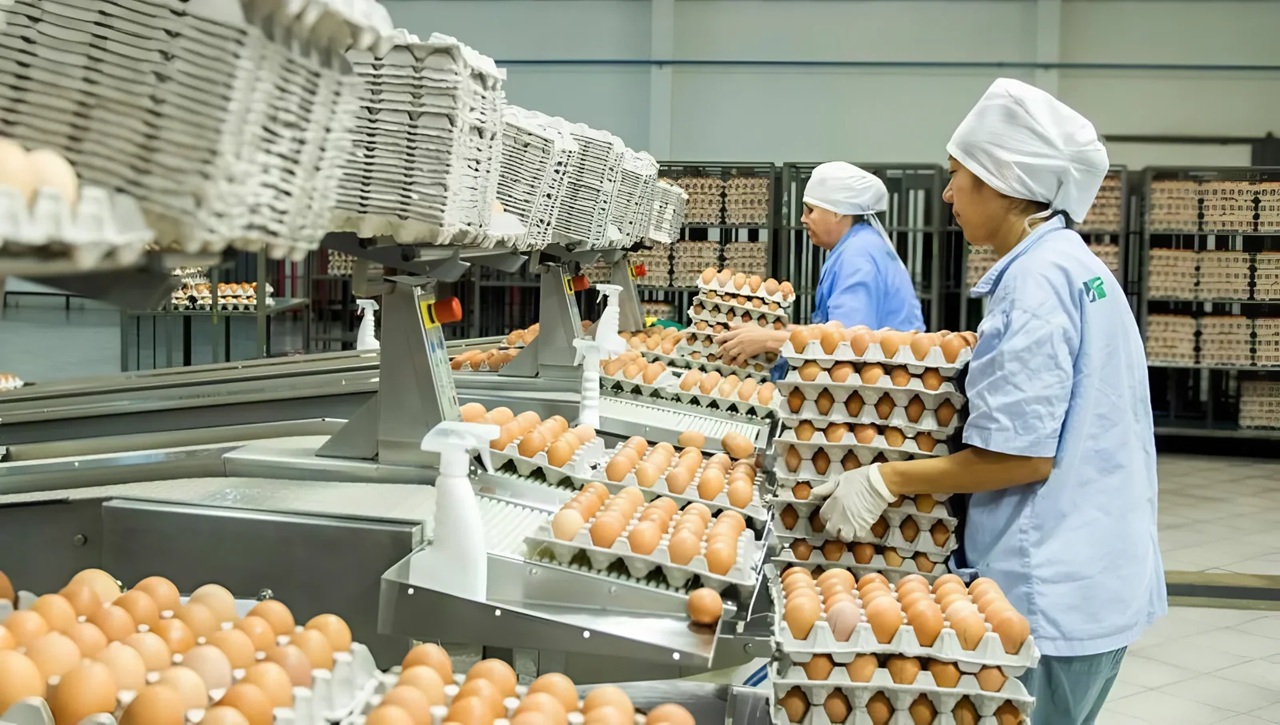
Singapore eggs represent a critical component of the city-state’s food security infrastructure, yet few residents understand the intricate systems that deliver fresh eggs to their tables each morning. In a nation that imports more than 90 percent of its food, the egg supply chain operates as a finely calibrated mechanism, balancing local production with overseas imports to meet the daily consumption of approximately 2 million eggs.
Local Production: A Diminishing but Vital Resource
Singapore’s domestic egg industry has contracted significantly over the past three decades, reflecting broader shifts in the nation’s agricultural landscape. Today, local farms produce roughly 25 percent of the eggs consumed domestically, a figure that represents both a remarkable achievement given land constraints and a vulnerability in times of supply disruption.
The farms that remain operate under stringent regulations enforced by the Singapore Food Agency (SFA). These facilities employ modern farming techniques, including:
- Climate-controlled housing systems that maintain optimal temperatures for laying hens
- Automated feeding and watering systems that ensure consistent nutrition
- Biosecurity protocols designed to prevent disease outbreaks
- Regular veterinary inspections and health monitoring programmes
Local production facilities must adhere to the Animals and Birds Act, which establishes comprehensive standards for animal welfare and food safety. “Singapore maintains some of the most rigorous egg production standards in Southeast Asia,” according to SFA documentation, “ensuring that locally produced eggs meet international quality benchmarks.”
The Import Network: Complexity and Coordination
The remaining 75 percent of singapore eggs arrive from a carefully vetted network of overseas suppliers. Malaysia historically dominated this market, but recent years have witnessed deliberate diversification efforts following supply disruptions during the pandemic. Today, eggs flow into Singapore from multiple countries, including Australia, Thailand, and Japan.
This diversification strategy operates on two principles: redundancy and quality assurance. Import sources must satisfy SFA’s accreditation requirements, which include:
- Farm-level inspections conducted by Singapore officials or approved third-party auditors
- Certification that production facilities meet SFA hygiene and safety standards
- Documentation of veterinary health programmes and disease surveillance systems
- Traceability mechanisms that allow eggs to be tracked from farm to retail outlet
The physical logistics of importing eggs present unique challenges. Temperature control throughout the supply chain proves essential, as eggs deteriorate rapidly when exposed to heat and humidity. Refrigerated transport, expedited customs clearance, and rapid distribution networks all contribute to maintaining freshness.
Quality Standards and Food Safety Protocols
Every batch of imported eggs entering Singapore undergoes surveillance testing for contaminants, including salmonella, antibiotics, and pesticide residues. The SFA employs a risk-based inspection regime, with higher sampling rates applied to new suppliers or shipments from regions experiencing disease outbreaks.
Grading systems provide consumers with transparent information about egg quality. Singapore eggs typically carry grades that indicate size, freshness, and quality characteristics. Retailers must display these grades prominently, alongside information about country of origin and packing dates.
Storage requirements extend beyond import and retail stages. Food service establishments and consumers alike must observe proper refrigeration practices. The SFA recommends storing eggs at temperatures below 4 degrees Celsius and consuming them within three weeks of purchase. These guidelines reflect scientific evidence about bacterial growth rates and egg deterioration processes.
Infrastructure and Resilience Planning
Singapore’s egg supply infrastructure incorporates multiple redundancy mechanisms designed to withstand disruptions. Cold storage facilities maintain strategic reserves, whilst the diversified supplier network ensures that problems in one source country need not trigger shortages.
The COVID-19 pandemic tested these systems severely. When Malaysian supply chains experienced intermittent disruptions in 2020 and 2021, Singapore activated alternative sources and temporarily increased cold storage capacity. These episodes prompted further refinement of contingency protocols and accelerated efforts to expand the approved supplier base.
Looking forward, Singapore has identified local egg production as a priority area for agricultural innovation. Government incentives support farms adopting advanced technologies, including vertical farming systems and automated production facilities that maximise output per square metre of land.
Consumer Considerations and Market Dynamics
Price variations across different egg sources reflect underlying differences in production costs, transport expenses, and quality specifications. Locally produced eggs typically command premium prices, justified by freshness advantages and reduced environmental impact from shorter supply chains. Imported varieties offer price diversity, allowing consumers to select products matching their budgets and preferences.
Labelling requirements ensure transparency. All eggs sold in Singapore must display country of origin, enabling consumers to make informed purchasing decisions. This traceability extends to food service establishments, which increasingly highlight egg sourcing in response to consumer interest in supply chain transparency.
Conclusion
The systems delivering singapore eggs to consumers represent a sophisticated balance of local production, strategic imports, rigorous quality controls, and resilience planning. Whilst challenges persist, particularly regarding import dependency and land scarcity, the frameworks governing egg supply demonstrate how small nations can maintain food security through careful regulation, supplier diversification, and investment in domestic capacity. Understanding these systems illuminates not merely how eggs reach Singaporean kitchens, but how thoughtful policy and infrastructure planning can sustain essential food supplies in resource-constrained environments.
