

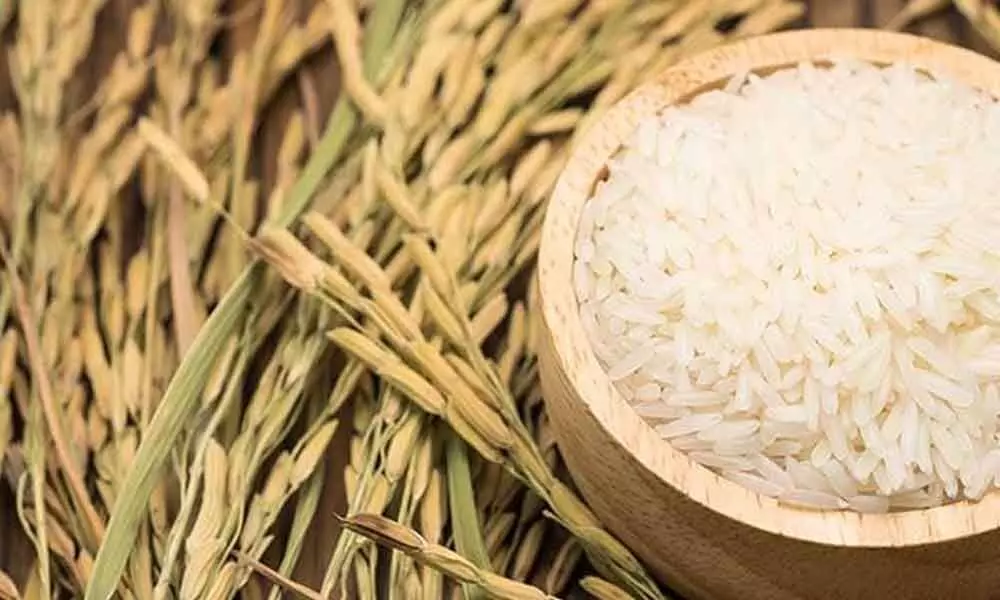
Organic sweet rice presents itself as something of a culinary paradox, a grain that defies the usual conventions of rice cookery whilst simultaneously offering health-conscious consumers an alternative to conventionally grown glutinous varieties, and darling, if you have ever experienced the disappointment of ordinary sticky rice laden with pesticide residues, you will understand why discerning cooks have begun seeking out this particular treasure. The appeal lies not merely in its certified organic status but in how this particular grain manages to deliver the beloved sticky texture whilst adhering to agricultural practices that eschew synthetic chemicals and prioritise soil health.
The Nature of Sweet Rice
Sweet rice, known variously as glutinous rice or sticky rice despite containing no gluten whatsoever, possesses a starch composition fundamentally different from ordinary rice varieties. Where standard rice contains both amylose and amylopectin starches, organic sweet rice consists almost entirely of amylopectin, which accounts for its characteristic sticky, cohesive texture when cooked. This molecular peculiarity makes the grain indispensable for certain Asian desserts, traditional dishes, and ceremonial foods that simply cannot achieve proper consistency with regular rice.
The organic certification adds another layer of complexity and, one must admit, considerable appeal. Organic sweet rice cultivation prohibits synthetic pesticides, herbicides, and fertilisers, relying instead on traditional farming methods, crop rotation, and natural pest management. For those who harbour concerns about chemical residues in their daily diet, and really, who amongst us does not, this represents a meaningful distinction.
Health Considerations Worth Noting
Now, one must approach health claims with appropriate scepticism, but organic sweet rice does offer certain advantages that merit consideration without excessive enthusiasm.
Pesticide Residue Reduction
The primary health benefit derives from reduced chemical exposure. Conventional rice cultivation often involves multiple pesticide applications throughout the growing season, with residues potentially persisting through harvest and processing. Organic sweet rice bypasses this entirely, offering peace of mind to those who prefer their carbohydrates unaccompanied by synthetic chemicals.
Studies examining pesticide residues in rice have documented detectable levels in conventionally grown varieties, though generally within regulatory limits. The question becomes not whether conventional rice is unsafe, but whether consumers wish to minimise exposure when alternatives exist.
Nutritional Profile
The nutritional content of organic sweet rice mirrors conventional glutinous varieties closely. Both provide:
- Approximately 370 calories per 100 grams uncooked rice
- Minimal fat content
- Negligible protein compared to other grains
- Moderate amounts of iron and B vitamins
- High carbohydrate content with minimal fibre
The glycaemic index remains high for both organic and conventional sweet rice, making neither particularly suitable for diabetics or those monitoring blood sugar levels closely. The stickiness that makes this rice so delightful also accelerates glucose absorption.
Digestibility Factors
Some individuals report that organic sweet rice proves easier to digest than conventional varieties, though scientific evidence supporting this remains limited. The theory suggests that chemical residues might irritate sensitive digestive systems, but rigorous research has not conclusively demonstrated this effect.
Culinary Applications
Organic sweet rice shines in traditional preparations where its unique texture proves essential rather than optional.
Asian Desserts
The grain forms the foundation of countless sweet preparations across Asian cuisines. Thai mango sticky rice, Chinese eight-treasure rice pudding, and Filipino bibingka all depend upon the cohesive texture that only sweet rice delivers. Using organic sweet rice in these applications adds no flavour advantage but provides the satisfaction of knowing the base ingredient meets organic standards.
Savoury Preparations
Beyond desserts, organic sweet rice serves admirably in savoury applications. Korean rice cakes, Vietnamese sticky rice with mung beans, and Lao larb variations all benefit from properly prepared glutinous rice. The organic designation becomes particularly relevant in these applications, as the rice often serves as the primary ingredient rather than a supporting element.
Fermentation Projects
Adventurous cooks exploring fermentation discover that organic sweet rice works beautifully for making rice wine, vinegar, or koji starter. The organic certification assumes greater importance here, as fermentation processes can concentrate any residual chemicals present in conventional grains.
Sourcing and Storage Considerations
Finding organic sweet rice in Singapore requires knowing where to look, as mainstream supermarkets may stock limited selections if any at all.
Specialty Retailers
Organic food shops and health-focused grocers typically carry several organic sweet rice options, often sourced from Thailand, though occasionally from other Southeast Asian producers. Expect to pay approximately 30-50% more than conventional sweet rice, reflecting higher production costs and more limited supply chains.
Online Marketplaces
E-commerce platforms have democratised access to specialty ingredients, including organic sweet rice. Buyers should verify organic certification credentials and check seller ratings before purchasing, as the online marketplace occasionally attracts questionable products marketed with organic claims lacking proper documentation.
Storage Requirements
Like all rice, organic sweet rice requires protection from moisture, heat, and pests. Store in airtight containers within cool, dry locations, and use within six months of purchase for optimal quality. The oils present in rice gradually oxidise, affecting flavour and cooking performance over time.
Making the Switch
Transitioning from conventional to organic sweet rice involves minimal adjustment, as cooking methods remain identical. Soak the rice for several hours or overnight, steam or cook using traditional methods, and serve immediately for best results. The texture, appearance, and flavour mirror conventional varieties so closely that only the certified organic label and slightly higher price distinguish the two.
A Measured Conclusion
The decision to choose organic sweet rice ultimately reflects personal values regarding agriculture, chemical exposure, and environmental impact rather than dramatic health or culinary differences. For those who regularly consume sticky rice in quantity, switching to organic varieties provides measurable reduction in pesticide exposure, which may or may not translate to health benefits depending on individual circumstances. The premium price requires justification through either strongly held environmental principles or genuine concern about chemical residues, and truly, only you can determine whether those considerations warrant the additional expense for organic sweet rice.


